
Picture this: you’re cruising down the highway, enjoying your ride, when suddenly, CRACK! A tiny stone or debris from another vehicle hits your windshield, leaving a small chip or crack behind. You look at it, sigh, and wonder: What now? Is it a big deal? Will it get worse? Do I need to act fast?
If you’ve ever found yourself in this situation, you’re not alone. Many of us have had to deal with windshield chips or cracks at one point or another. While it can be a bit alarming, the good news is that you don’t have to panic. With a little know-how, you can handle the situation like a pro. Here’s your step-by-step guide to what to do if you get a chip or crack in your auto glass.
Step 1: Assess the Damage
The first thing you’ll want to do is take a close look at the damage. While it might seem obvious, it’s important to understand exactly what kind of damage you’re dealing with. Here’s what to check for:
-
Size of the damage: Is it a small chip, a long crack, or something in between? A small chip (typically less than the size of a quarter) can often be repaired, while a larger crack may require a full windshield replacement.
-
Location of the damage: Where is the chip or crack located? If it’s in the driver’s line of sight, it may need more urgent attention because it could obstruct visibility. Cracks along the edges of the windshield can also be more difficult to repair.
-
Depth of the damage: If the chip has gone all the way through the glass or the crack is deep, it might compromise the integrity of the windshield, making it harder to repair.
If the crack or chip is small, don’t panic. Many types of damage can be repaired quickly and efficiently. But if you’re unsure about the severity, it’s always best to consult a professional.
Step 2: Don’t Ignore It—Act Quickly!
A lot of people think that a small chip or crack can wait, but this is where things can go wrong. Time is of the essence. A minor crack can spread and worsen with changes in temperature, vibrations from driving, or even a slight bump in the road. The longer you wait, the bigger and costlier the problem might become.
Even small cracks or chips that seem insignificant can end up compromising the strength of your windshield or side windows. Windshields are critical to the structural integrity of your vehicle, so keeping them in good condition is essential to your safety.
Step 3: Protect the Damaged Area
If you can’t get to a repair shop right away, you can temporarily protect the damaged area to prevent dirt and moisture from getting inside. This will help ensure that the damage doesn’t worsen before you get it repaired. Here’s what you can do:
-
Clean the area gently: If there’s any debris around the chip or crack, clean it off with a soft cloth. Be careful not to touch the damaged area too much, as oils and dirt can make it harder to repair.
-
Cover it: If you’re dealing with a chip, place a small piece of clear tape over it to keep dirt and moisture out. This isn’t a permanent solution, but it can help prevent further damage until you can get the glass repaired.
-
Avoid extreme temperatures: Try to avoid exposing your windshield to extreme temperatures (e.g., don’t blast the defroster or park in direct sunlight). Rapid temperature changes can cause the crack or chip to spread faster.
Step 4: Contact a Professional Repair Service
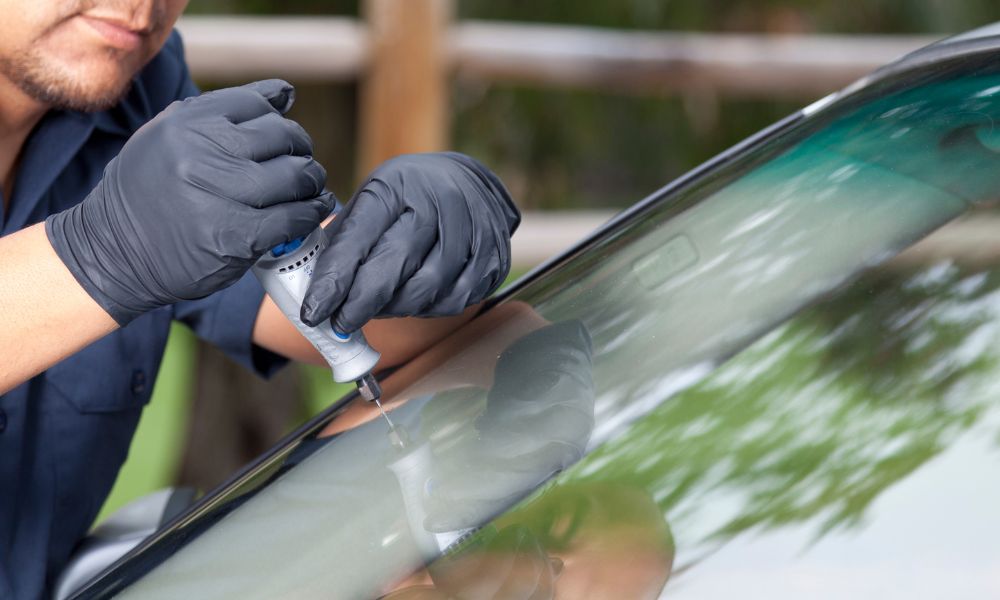
The next step is to get in touch with an auto glass repair professional. If you’ve assessed that the damage is minor enough to be repaired, a professional will be able to help you restore the glass without the need for a full replacement. Here’s what to look for when contacting a repair shop:
-
Mobile repair services: Many auto glass companies offer mobile repair services, meaning a technician can come to you and fix the damage at your home or office. This is a super convenient option if you don’t have time to visit a shop.
-
Ask about insurance coverage: Many auto insurance policies cover the cost of windshield repairs, often with no deductible for small chips or cracks. Before you commit to a repair, check with your insurance company to see if they’ll cover the cost. Some shops will even handle the paperwork for you.
-
Get a quote: It’s always a good idea to get an estimate for the repair before agreeing to any work. Depending on the extent of the damage, a simple chip repair can cost between $50 to $150, while a full windshield replacement can range from $300 to $1,000.
Step 5: Consider the Type of Damage: Auto Glass Repair Phoenix vs. Replacement
Not all auto glass damage can be repaired. Here’s when you might need to opt for a full replacement instead of a repair:
-
Cracks longer than 3 inches: Cracks that exceed 3 inches in length usually can’t be effectively repaired and will require a full windshield replacement.
-
Damage in the driver’s line of sight: If the chip or crack obstructs the driver’s vision, it’s essential to replace the glass to maintain road safety.
-
Edge cracks: Cracks that appear along the edges of the windshield can weaken the overall structure and are harder to repair, often necessitating a full replacement.
If your windshield is severely damaged, it’s important to address it immediately. Driving with a compromised windshield puts you and your passengers at serious risk in the event of an accident.
Step 6: After the Repair—Take Care of Your Windshield
Once the chip or crack has been repaired, there are a few things you can do to ensure that the repair lasts and to avoid future damage:
-
Wait before driving: If the damage required a full replacement, you’ll likely be advised to wait at least 30 minutes to 1 hour before driving to allow the adhesive to fully set.
-
Avoid car washes for 24-48 hours: High-pressure water can disturb the adhesive if it hasn’t fully cured, so it’s a good idea to avoid automatic car washes or direct water pressure for the first 24 to 48 hours.
-
Inspect the repair: After the repair is complete, take a moment to inspect the work. The chip or crack should be filled with resin, and the glass should be smooth to the touch. If you notice any imperfections or signs of further damage, contact the shop immediately.
Step 7: Prevent Future Damage
While you can’t always prevent chips or cracks from happening, there are some steps you can take to minimize the risk:
-
Avoid tailgating: Driving too close to other vehicles, especially large trucks, increases the chance of debris hitting your windshield.
-
Park in a garage: Whenever possible, park your vehicle in a garage or covered area to protect your windshield from falling branches, hail, or other hazards.
-
Use a windshield protector: During extreme weather, such as hailstorms or icy conditions, a windshield protector can help prevent damage.
Final Thoughts: Don’t Let a Small Crack Turn Into a Big Problem
Getting a chip or crack in your auto glass can be a stressful experience, but it’s also one that can be dealt with quickly and easily if you know what to do. The most important thing is to act fast—the sooner you repair the damage, the less likely it is to worsen into a more costly and dangerous issue.
By following these steps—assessing the damage, protecting the area, contacting a professional, and taking care of the glass after the repair—you’ll be back on the road with a windshield that’s as good as new. And next time you’re driving, you’ll have peace of mind knowing you’re prepared for whatever comes your way!