
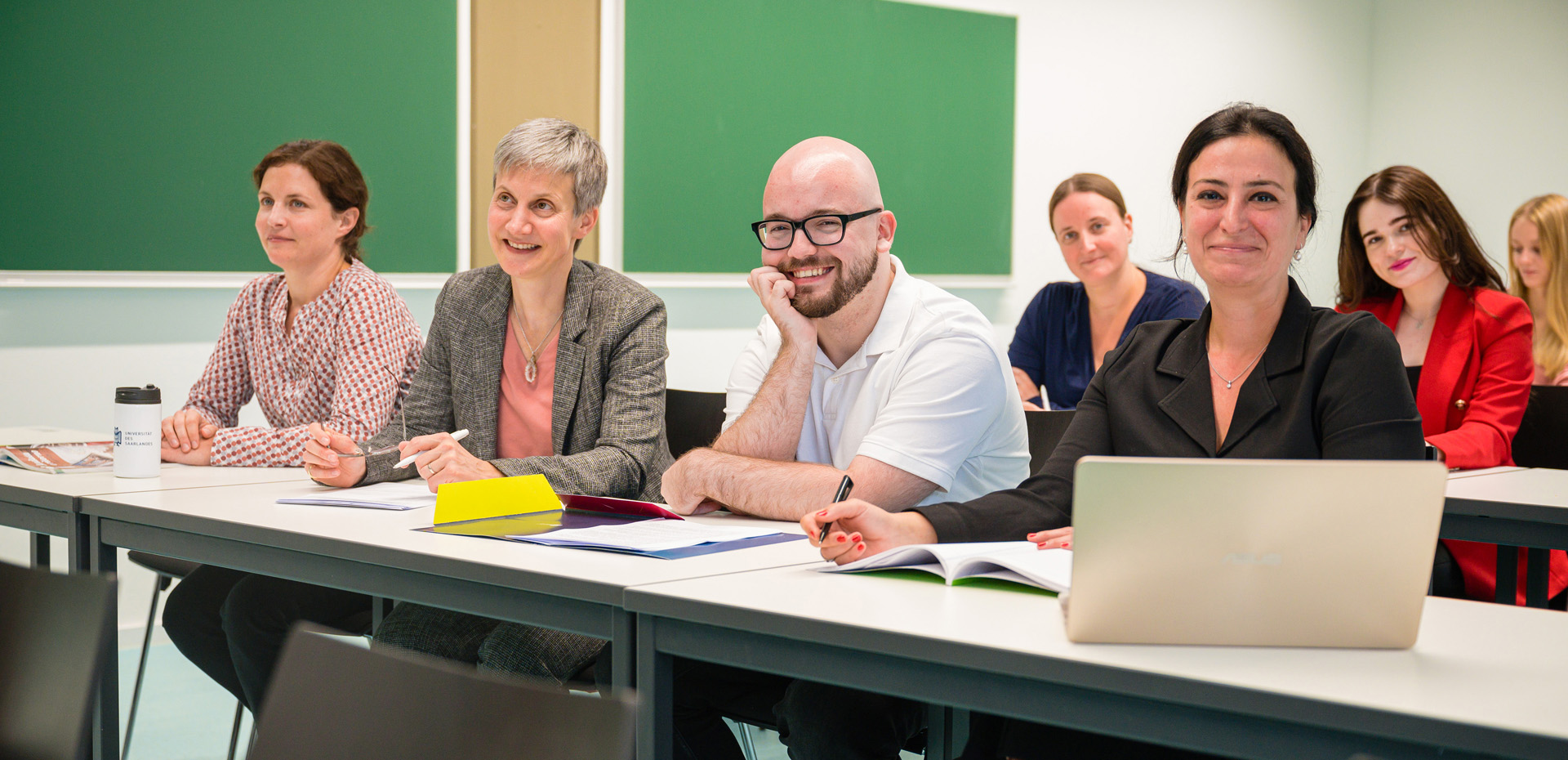
Becoming a university staff member can be a rewarding career path for people who enjoy education, organization, communication, and helping students or academic teams succeed. Universities require many different professionals to keep their institutions running smoothly. While professors and researchers are highly visible, staff members also play an important role in admissions, student services, administration, finance, human resources, libraries, technology, facilities, and many other areas. Understanding the career journey toward becoming university staff can help aspiring professionals prepare for suitable opportunities and build long-term careers.
Understanding University Staff Roles
The first step is learning what university staff actually do. University staff positions can vary considerably depending on the department and institution. Some professionals work directly with students, while others support faculty members, manage records, coordinate programs, or handle administrative responsibilities.
Common university staff areas include:
- Student affairs and student support
- Admissions and enrollment
- Academic administration
- Human resources
- Finance and accounting
- Library services
- Information technology
- Career services
- Communications and marketing
- Campus operations
Exploring different departments can help you identify positions that match your interests, education, and existing skills.
Building the Right Educational Foundation
Educational requirements depend on the position. Some entry-level administrative jobs may require a high school diploma or associate degree, while many professional roles prefer or require a bachelor's degree. Specialized positions may require advanced education, certifications, or technical qualifications.
A degree in business administration, education, communications, information technology, finance, psychology, or another relevant field can provide useful knowledge. However, education is only one part of preparation. Universities also value practical skills and relevant experience.
Gaining Relevant Experience
Experience can make a significant difference when pursuing university staff positions. Candidates can develop useful experience through internships, part-time employment, volunteer work, campus organizations, or administrative jobs.
For example, someone interested in student services might gain experience working with community organizations or educational programs. A person interested in university finance could develop accounting and budgeting experience in another organization.
Even experience outside higher education can be valuable when it demonstrates transferable skills such as communication, organization, problem-solving, customer service, and teamwork.
Developing Essential Professional Skills
University staff members often manage multiple responsibilities at once. Strong organizational skills can help professionals handle deadlines, records, meetings, and daily administrative tasks.
Communication is equally important. Staff members regularly interact with students, faculty, administrators, parents, visitors, and colleagues. Clear written and verbal communication can help prevent misunderstandings and create productive working relationships.
Technology skills are also increasingly important. Familiarity with office software, databases, communication platforms, scheduling systems, and other digital tools can improve workplace efficiency.
Searching for University Opportunities
Once you have developed appropriate qualifications and experience, begin monitoring 大学職員への道 career pages and employment platforms. Read job descriptions carefully because requirements can differ between institutions and departments.
Instead of app to every available position, focus on jobs that match your qualifications and career goals. Tailoring your resume and cover letter to each position can make your application more relevant.
Preparing for the Interview
University staff interviews often explore both technical abilities and interpersonal skills. Prepare examples that demonstrate how you have handled challenges, organized responsibilities, assisted others, solved problems, or worked as part of a team.
Research the university before the interview and learn about its departments, programs, values, and services. This preparation can help you understand the role and communicate your interest more effectively.
Growing After Getting the Position
Getting a university staff position is only the beginning. Professional development can help you progress toward more advanced responsibilities. Attend training sessions, develop new technical skills, seek feedback, and learn about opportunities within your department.
Building positive relationships with colleagues can also help you understand how the institution operates. Over time, experience may open opportunities for promotions, specialized roles, supervisory positions, or transitions into other areas of higher education.
Conclusion
The career journey toward becoming university staff involves more than simply submitting applications. It requires understanding available roles, building suitable educational qualifications, gaining relevant experience, developing professional skills, and preparing carefully for recruitment. With patience and continuous learning, aspiring professionals can create a strong foundation for a meaningful career in university administration and support services.