
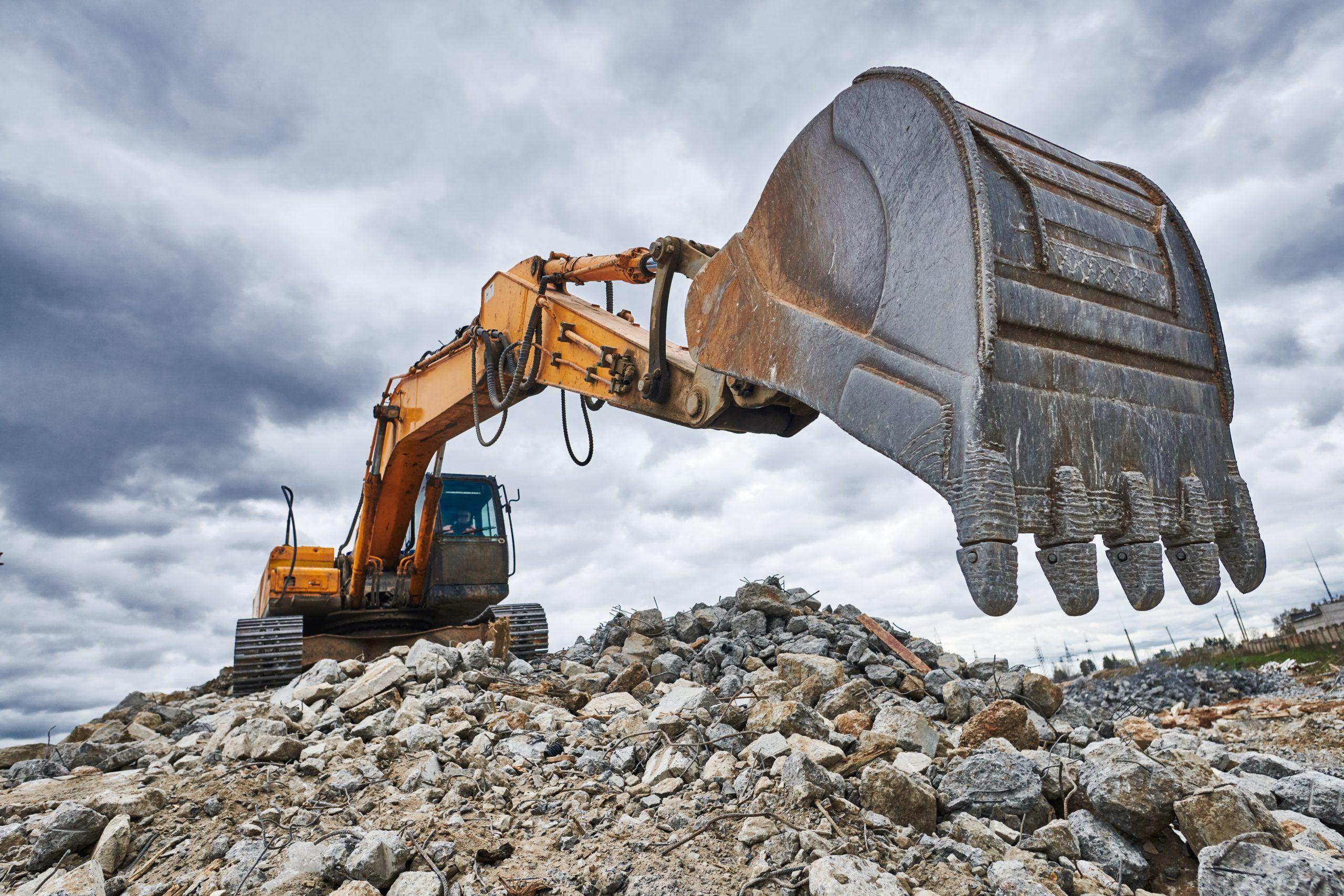
When it’s time to purchase an excavator, you’re about to make a significant investment that can either boost your business’s productivity or drain your resources. Before signing on the dotted line, take a step back and assess your project requirements – what kind of digging will you be doing, and what kind of terrain will you be working on? The answers to these questions will guide your decision, but that’s just the beginning. You’ll also need to consider your budget, the type of excavator that’s right for you, and what features are must-haves. Are you ready to make an informed decision? excavator leasing.
Defining Your Business Needs
When you’re in the market for an excavator, it’s essential to define your business needs before making a purchase.
This involves identifying the type of projects you’ll be working on, the terrain, and the materials you’ll be handling. Will you be digging trenches, excavating basements, or handling demolition projects? What’s the typical weight and size of the materials you’ll be moving? Answering these questions will help you determine the excavator’s required horsepower, digging depth, and lift capacity.
You should also consider the frequency of use and the number of operators who’ll be using the excavator. If you have multiple operators, you may need an excavator with multiple control patterns to accommodate their different operating styles.
Additionally, think about the maintenance and support you’ll need. Do you have an in-house maintenance team or will you rely on the dealer for support? Defining your business needs will help you choose the right excavator for your operation, ensuring you get the most value for your investment.
Assessing Your Budget Constraints
Budget realities can be a harsh wake-up call, but they’re a crucial consideration when purchasing an excavator.
You need to assess your budget constraints to determine how much you can afford to spend. Start by calculating your total budget for the excavator, including the purchase price, financing costs, insurance, maintenance, and operating expenses.
Don’t forget to factor in any additional features or attachments you may need.
Next, consider your financing options.
Will you be paying cash, financing through a dealer, or seeking a loan from a bank? Each option has its pros and cons, so it’s essential to weigh your choices carefully.
You should also think about your ongoing expenses, such as fuel, labor, and maintenance costs.
These can add up quickly, so it’s vital to have a clear understanding of your cash flow.
Choosing the Right Excavator Type
Now that you’ve determined how much you can afford to spend, it’s time to think about what you need the excavator to do.
This will help you choose the right excavator type for your needs. You’ll want to consider the size of the projects you’ll be working on, the terrain you’ll be operating in, and the type of materials you’ll be handling.
If you’re working in tight spaces, a compact or mini excavator might be the way to go. These machines are perfect for urban construction sites or landscaping projects where space is limited.
On the other hand, if you’re working on larger construction projects or handling heavy materials, a standard or large excavator might be more suitable. You’ll also want to consider whether you need a wheeled or tracked excavator, depending on the terrain you’ll be operating on.
Finally, think about the attachments you’ll need, such as buckets, hydraulic hammers, or augers, and whether the excavator type you choose can accommodate them.
Evaluating Key Machine Features
Selecting the right excavator type is just the beginning; it’s equally important to evaluate key machine features to ensure you’re getting the performance and functionality you need.
You’ll want to consider the excavator’s horsepower, operating weight, and dig depth to determine if it can handle your specific job requirements. Additionally, think about the type of terrain you’ll be working on and whether you need a machine with tracks or wheels.
You should also examine the excavator’s hydraulic system, including the flow rate and pressure, to ensure it can power your attachments efficiently.
The type and quality of the attachments themselves are also crucial, as they can greatly impact your productivity and profitability. Don’t overlook the importance of a comfortable and ergonomic cab design, as it can reduce operator fatigue and improve overall performance.
Considering Resale and Maintenance
Your excavator investment won’t stop paying off once you’ve finished the job – its resale value can provide a significant return on investment down the line.
When considering resale, think about the machine’s condition, age, and maintenance history. A well-maintained excavator with regular servicing and repairs will hold its value better than a neglected one.
You should also consider the brand’s reputation, model popularity, and any certifications or warranties that may still be in effect.
In addition to resale, you should factor in maintenance costs when calculating the total cost of ownership.
Regular maintenance is crucial to preventing costly repairs and downtime. Consider the cost of replacement parts, labor rates, and the frequency of maintenance intervals.
You may also want to look into maintenance packages or service contracts offered by the manufacturer or dealer.
Conclusion
You’ve weighed the factors, crunched the numbers, and considered the options. Now it’s time to make an informed decision. Remember, the right excavator can boost your business’s productivity and profitability, while the wrong one can lead to costly downtime and repairs. By carefully evaluating your needs, budget, and machine features, you’ll be well on your way to finding the perfect excavator for your business.