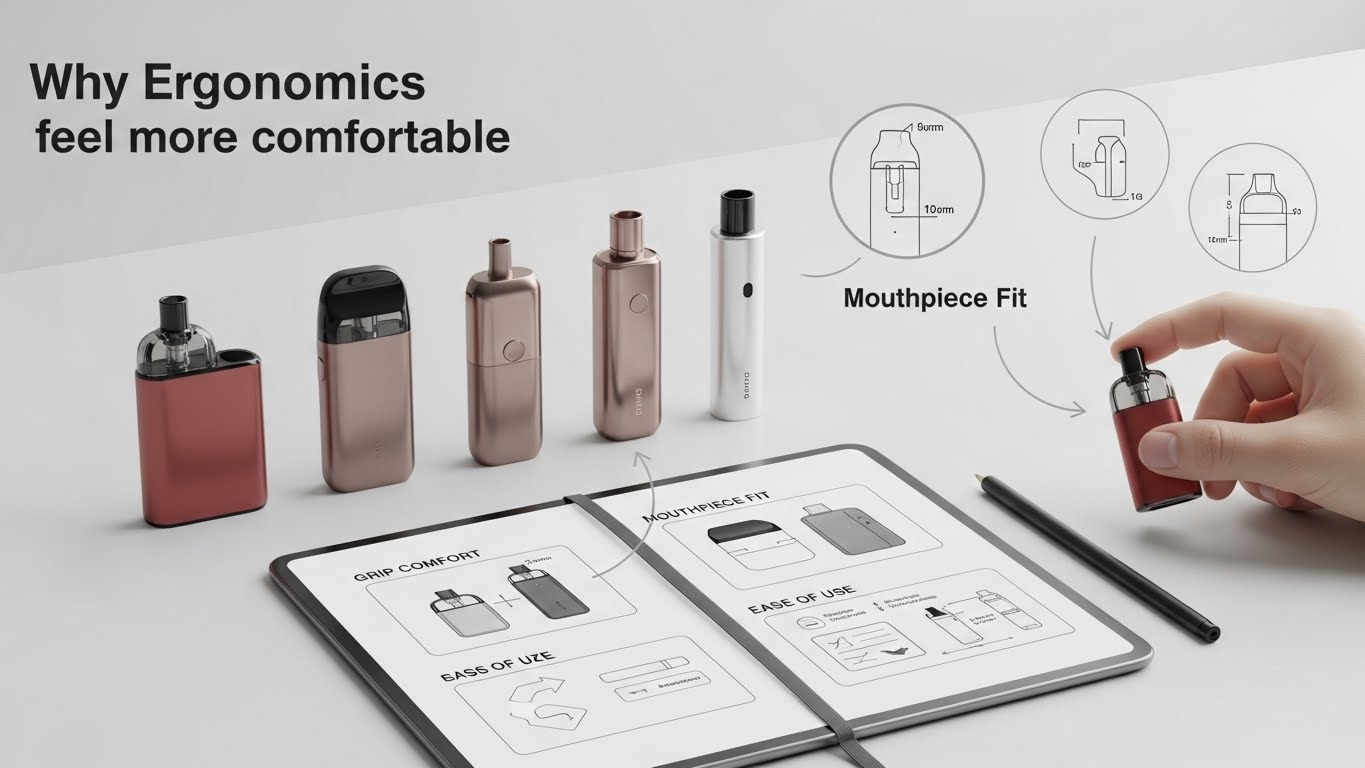
 In our modern world, the design of furniture and workspaces has evolved significantly, with ergonomics playing a crucial role. When it comes to seating options like pods, understanding why some feel more ergonomic can enhance your comfort and productivity. This article delves into the key factors that contribute to the ergonomic design of pods, helping you make informed choices for your workspace. For more info: https://e-liquids.com/collections/vape-juice
What Are Ergonomic Pods?
Definition of Ergonomic Pods
Ergonomic pods are specially designed seating areas that prioritize the user’s comfort, health, and efficiency. These pods often feature a combination of thoughtful design, appropriate materials, and innovative technology to support a natural sitting posture. Click here: https://e-liquids.com/collections/vape-kits
Purpose of Ergonomic Design
The primary goal of ergonomic design is to minimize discomfort and reduce the risk of musculoskeletal disorders. By understanding the components that contribute to a pod’s ergonomic feel, you can select options that best suit your needs.
Key Factors That Influence Ergonomic Feel
1. Seat Height and Depth
Importance of Proper Seat Height
The height of the seat is crucial in determining how your legs interact with the ground. An ideal seat height allows your feet to rest flat on the floor, promoting better circulation and reducing strain on your knees.
Impact of Seat Depth
Seat depth should accommodate the length of your thighs while providing support without forcing you to slide forward. A well-designed pod will offer adjustable depth settings or provide a depth that suits a wide range of body types.
2. Back Support
Lumbar Support Features
Proper lumbar support is essential for maintaining the natural curve of your spine. Pods that include adjustable lumbar support can adapt to the unique shape of your back, preventing slouching and discomfort during long periods of sitting.
Backrest Angle
The angle of the backrest should encourage a slight recline. A backrest that is too vertical can create tension in your back, while one that is too reclined may lead to poor posture. The ideal angle promotes relaxation while providing adequate support.
3. Material and Cushioning
Choosing the Right Materials
The type of material used in the construction of a pod significantly impacts its ergonomic feel. Breathable fabrics allow for proper airflow, while high-quality foam cushioning provides necessary support without losing shape over time.
Cushion Density
Cushion density is another critical factor. A pod that is too soft may lead to sinking, while one that is too firm can become uncomfortable. A balanced cushion should offer enough firmness to support your weight while providing a comfortable surface to sit on.
4. Adjustability
The Need for Customization
One of the hallmarks of ergonomic design is adjustability. Pods that allow users to customize their seating position – including height, depth, and backrest angle – cater to a diverse range of body shapes and preferences.
User-Friendly Controls
Ergonomic pods should feature easy-to-use controls that enable users to make adjustments quickly. Complex mechanisms can deter users from finding their optimal position, leading to discomfort.
5. Mobility and Flexibility
Importance of Mobility
In today’s dynamic work environments, the ability to move your seating arrangement is vital. Pods that are lightweight and equipped with wheels can be easily relocated, allowing users to create their ideal workspace.
Flexible Designs
Curved or modular pod designs can contribute to a more ergonomic feel by promoting natural movement and collaboration among users. Flexible designs encourage interaction while maintaining comfort.
How to Choose the Right Ergonomic Pod
1. Assess Your Needs
Before selecting a pod, consider your personal preferences and work habits. Do you need more back support or adjustable features? Identifying your needs will guide your choice.
2. Test Before You Buy
If possible, try out different pods in person. Pay attention to how the seat height, depth, and back support feel during a trial session. Sit for at least 10-15 minutes to assess comfort.
3. Read Reviews and Ratings
Online reviews can provide insights from other users regarding the ergonomic feel of various pods. Look for feedback on comfort, adjustability, and durability.
4. Consult Professionals
If you’re unsure about what to choose, consider consulting with an ergonomist or a workplace design professional. They can provide tailored advice based on your specific needs.
Conclusion
Understanding the factors that contribute to the ergonomic feel of pods can greatly enhance your comfort and productivity. By paying attention to seat height, back support, materials, adjustability, and mobility, you can make an informed decision that improves your workspace. Invest in pods that prioritize ergonomics, and you’ll be well on your way to a more comfortable and efficient working environment.